Saturday, January 28, 2012

How Sitting All Day Is Damaging Your Body and How You Can Counteract It [Health]


Do you sit in an office chair or on your couch for more than six hours a day? Then here are some disturbing facts: Your risk of heart disease has increased by up to 64 percent . You're shaving off seven years of quality life. You're also more at risk for certain types of cancer . Simply put, sitting is killing you . That's the bad news. The good news: It's easy to counteract no matter how lazy you are.
Let's start with the basics. Since childhood you've known being a couch potato is bad. But why? Simply put, our bodies weren't made to sit all day. Sitting for long periods of time, even with exercise, has a negative effect on our health. What's worse, many of us sit up to 15 hours a day . That means some of us spend the bulk of our waking moments on the couch, in an office chair, or in a car.
Sitting all day long isn't hard to counteract, but you have to keep your eye on two details: your daily activity and the amount of time you sit. Let's start by taking a look at what sitting all day does to your body.

An Estimated Timeline of the Effects of Sitting

It's difficult to get an accurate assessment of what sitting all day will do to you because the effects work in tandem with diet and other risk factors. So we're going to start with a relatively healthy person who does not drink in excess, smoke, and who isn't overweight. Then we'll estimate the effects of sitting for over six hours a day based on what starts happening immediately after you sit down. For a general overview of the effects, take a look at this chart from Medical Billing and Coding to see a breakdown of what that happens in your body when you sit down. (If the majority of your sitting time takes place at a desk, keep in mind that a standing desk has its own problems , too.)

Immediately After Sitting

Right after you sit down, the electrical activity in your muscles slows down and your calorie-burning rate drops to one calorie per minute . This is about a third of what it does if you're walking. If you sit for a full 24-hour period, you experience a 40 percent reduction in glucose uptake in insulin , which can eventually cause type 2 diabetes.

After Two Weeks of Sitting for More Than Six Hours a Day

Within five days of changing to a sedentary lifestyle, your body increases plasma triglycerides (fatty molecules), LDL cholesterol (aka bad cholesterol), and insulin resistance . This means your muscles aren't taking in fat and your blood sugar levels go up, putting you at risk for weight gain. After just two weeks your muscles start to atrophy and your maximum oxygen consumption drops. This makes stairs harder to climb and walks harder to take. Even if you were working out every day the deterioration starts the second you stop moving.

After One Year of Sitting More Than Six Hours a Day

After a year, the longer term effects of sitting can start to manifest subtly. According to this study by Nature, you might start to experience weight gain and high cholesterol . Studies in woman suggest you can lose up to 1 percent of bone mass a year by sitting for over six hours a day.

After 10-20 Years of Sitting More Than Six Hours a Day

Sitting for over six hours a day for a decade or two can cut away about seven quality adjusted life years (the kind you want). It increases your risk of dying of heart disease by 64 percent and your overall risk of prostate or breast cancer increases 30 percent.
If this looks bad, don't worry. We're going to show you how to counteract the negative effects of sitting without totally altering your lifestyle. Photo by John O'Nolan .

Counteract the Consequences of Sitting and Still Maintain Your Current Lifestyle

 
Happlily, you only need to do two things to counter the effects of sitting all day:
  1. Remember to stand once an hour.
  2. Get about 30 minutes of activity per day.
Whether you're a couch potato watching marathons of Firefly or an office worker sitting in front of a computer, an Australian study suggests short breaks from sitting once an hour can alleviate most of the problems described above. This isn't about working out (which is positive in its own right but doesn't counteract the effects of long periods of sitting). It's about creating pockets of moderate activity throughout the day and giving your body a respite from sitting.
What exactly is moderate activity? I talked with Dr. Brian Parr, associate professor in the Department of Exercise and Health Sciences at the University of South Carolina Aiken to find out. He points out the distinction between moderate activity and exercise:
We usually tell people moderate activity is equivalent to a brisk walk. This would include yard work or cleaning your house — anything that gets you moving counts. You don't have to do what people think of as exercise.
Of course, couch potatoes and office workers don't always have thirty minutes to spare. After all, a Firefly bender might take up an entire evening. Here's the good news: you can break up that thirty minutes throughout the day. Dr. Parr continues:
This is the best part. We usually tell people to break it up into ten minute segments, but that's because it's the most practical. If I tell you that you can spread it out throughout the day, you're going to say, "Well, I stood up and walked across the room to my soda." What was that, about ten seconds? You'll start to micromanage. From my perspective, that's not how people should do it. But you could do it that way.
The main reason you want to shoot for the ten minute chunks is because you're creating a mini-stress in your body that helps increase your endurance. In the real world, this means you won't get tired halfway up the stairs. Think of it this way: you don't train for a marathon by sprinting for ten minutes every day. Instead, you increase your endurance with longer jogs. The same goes for daily activity, you want to sustain activity for long enough to make it useful in your daily life.
Let's look at how you can estimate your daily activity and make sure you get out of the office chair throughout the day. Photo by cell105 .

Start by Finding Your Daily Baseline with a Pedometer

 
The first thing to do is track how much activity you get in a regular day. For me, the easiest way to do this is a pedometer that tracks the number of footsteps I take. You can purchase a cheap $3 pedometer like this one from Amazon , or use an app on your iPhone or Android .
The first step is to take a 30-minute walk and see how many steps you take. My total was a little short of 4,000. Yours will vary based on how quickly you walk and how large your steps are.
Next, you want to find a baseline of your daily activity. Start using the pedometer when you wake up in the morning and keep it in your pocket (or running on your phone) until you go to bed. This will give you an estimate of your regular daily activity.
For me, this was frighteningly low on the days I didn't purposely exercise. My total number of steps? Under 2,000. This is downright horrible and equates to less than a mile a day. Clearly, I need to get up and move around more often. Photo by Adam Engelhart .

Meet Your Daily Activity Target by Slightly Altering Your Behavior

 
If you're like me, you're well under your target exercise range. A few simple changes to your daily behavior will help you reach your goal. Here are a few ideas for how to do it without really trying:
  • Park near the back of the parking lot.
  • Stand up to visit the file cabinet instead of rolling your chair.
  • Walk over and talk to a coworker instead of emailing them.
  • Take the scenic route to the bathroom instead of the most direct.
Since I work from home, I have to make a more concentrated effort to meet these goals. I've started walking to a nearby coffee shop in the afternoon and I hop on an indoor bicycle for at least 10-20 minutes a day. If all else fails, I'll do laundry because I have to walk down two sets of stairs.
Meeting your target activity level is just the first step. The second part is much simpler and only requires you stand up now and again. Here's how I remind myself to do it.Photo by o5com .

Set an Hourly Standing Alarm to Remind You to Stand

 
We know that if you stand up for just one or two minutes every hour, it can reduce the negative effect of sitting all day. Technically, you don't even have to move, the act of standing alone helps. When you're in the moment and working hard, it's difficult to remember. I found enabling the hourly announcement in OS X the best reminder. To set this, click Settings > Date & Time > Announce the time. Windows users can set up a similar hourly reminder as a task by clicking Control Panel > Administrative Tools > Task Scheduler.
If the alarm isn't enough, you can download dedicated software to remind you. Windows users can use free programs like, Workrave or Breaker to set up automated alerts. For Macs, Time Out seems the best free option. These programs will remind you to stand and dim the desktop to force you out of your chair.
It's up to you how you use these micro-breaks. You don't even have to move if you don't want to, but if you want to get a little activity in that minute, here's a quick way to do it without leaving your desk area:
  • Stand up.
  • March in place for twenty seconds.
  • Reach down and try to touch your toes for twenty seconds.
  • Wander around and pick up or reorganize for the last twenty seconds (eventually your desk area may even be clean).
I also set up an iCade at a standing level so I have something to occupy me when I stand up. Personally, I need objectives and I'm not good at just idling for a few minutes. The iCade adds a sense of purpose if I don't want to stretch.

Turn those Crappy Commercials into an Excuse to Get Up

 
TV commercials suck. Instead of wasting time watching the same car commercial you've seen for the last 20 years, consider the commercial break a chance to stand and stretch.
To help me find constructive things to do during commercials (or the credits when I'm in the midst Netflix marathon), I keep a to-do list on the coffee table as opposed to at my desk. This works as a gentle reminder to take out the trash, do the dishes, clean the litter box, or whatever else needs to get done. The best part? I don't have to watch commercials.
On a similar note, when playing video games online, I use the end of a match as a notification to stand up. If I'm playing a single player game, I stand during loading screens.
The point is that most of the activities we sit down to enjoy have these types of natural breaks in them. If you're reading you can stand up after a chapter or two. If you're playing board games you can stand up after each match. Instead of sitting and turning your mind off, stand and do it. It's really that simple. Photo by annethelibrarian .
The moral here is two-fold: stand up once an hour and get at least 30 minutes of activity in a day. That's it. Unless you're overweight, you don't have to start exercising or going to the gym to counteract the negative effects of sitting. You just have to make sure you're moving throughout the day. You don't even have to give up your TV marathons—you just need to accent them with a little hourly effort.

Friday, January 27, 2012

Minimal Marvel Posters


 We love the idea of minimalist reinterpretation because we enjoy seeing how an artist can strip icons to their barest elements and still be recongnizable to a mass audience. Enter Marko Manev's series of minimalist Marvel posters, which includes icons such as Spider-Man, Captain America, Iron Man, Thor, The Incredible Hulk, Hawkeye, Black Widow, Mr. Fantastic, Invisible Woman, Human Torch, The Thing, Silver Surfer, and more.

Minimalist-Marvel-Superhero-Posters-by-Marko-Manev-3
We love the idea of minimalist reinterpretation because we enjoy seeing how an artist can strip icons to their barest elements and still be recongnizable to a mass audience. Enter Marko Manev's series of minimalist Marvel posters, which includes icons such as Spider-Man, Captain America, Iron Man, Thor, The Incredible Hulk, Hawkeye, Black Widow, Mr. Fantastic, Invisible Woman, Human Torch, The Thing, Silver Surfer, and more.

Minimalist-Marvel-Superhero-Posters-by-Marko-Manev-18


Infographic: Toying with the World


Of course it's important to treat kids occasionally with the newest toy or the latest game. But as the economy sinks and money gets tighter, it seems to me these types of purchases are also some of the first to cut back on. So I'm extremely surprised that even as families would reduce spending on groceries and school supplies, our toy budgets swell: Americans reduced average supermarket spending by about .5% from 2009 to 2010 while in the same period, toy industry sales grew by 2%.
I'm familiar with the temptation to overspend on kid's toys. And I know the problem with buying for your kids is that usually the most popular game or specific remote controlled car is just the only thing that'll do. It's hard to keep your consumer sense in the midst of the trends that keep our kids and tweens primarily wanting all the same things.
My latest graphic on U.S. toy spending should remind you to check loose spending on that latest video game or too-frequently updating kids' collections of non-necessities. Check out the surprising cost of our kids' whims:


Infographic: Security Concerns amid Mobile Payments and Coupons


Legal firm Loeb & Loeb is full of thinkers. Its clients and attorneys know that the world is a fluid place and the technology sector dynamic and ever changing. As part of its "Media MindShare " series, Loeb & Loeb has turned its attention to the digital marketplace to study what the dominant issues will be in 2012.
One of those issues is mobile commerce. That includes mobile payments and coupons as well as the security issues that inevitably will accompany the mobile commerce vertical. Are people really prepared to pay with their phones? What is holding them back? Check out the infographic from Loeb & Loeb below.
The infographic points out data reported by eMarketer that 35.6 million mobile phone users will use mobile coupons by 2013. But not all people are comfortable with mobile coupons. Near 52% of consumers are "not likely to use" mobile coupons, as a study from Opus Research points out. Some of that is security concerns with handing a cashier their phone or having concerns over the validity of the offer. Some people are outright embarrassed.
Another problem is the notion of data breaches. We have seen it many times with credit cards. Take the restaurant example. A waiter brings you your check. Without thinking, you pop your credit card into the book and the waiter comes back to swipe it at a terminal in back. Maybe though that waiter is up to no good and has his own credit card reader in his pocket somewhere. He swipes the card through the restaurants POS terminal and then again on the reader in his pocket. He then has the card number and can do what he wants with it.
This has been a problem in Europe, though steps have been taken to eliminate the practice. As a former chef, I have seen waiter co-workers of mine get fired and arrested for the same practice. It happens.
Now, think about replacing the credit card with your smartphone. Are you really comfortable handing over a device that can possibly contain some very sensitive information over to a stranger, even if said person is standing right in front of you and not taking the device out of sight? To a certain extent, this is an irrational fear. The new era of mobile payments will likely mean that your phone never leaves your hand. POS systems set up with NFC or the ability for a cashier to scan your phone with a QR card reader means that you should never be handing your device over to anybody. Yet, the research says that people have security fears and that is a valid concern.
Check out the infographic below and let us know what your concerns are in the mobile payments space in the comments.

Supreme Court's GPS Ruling Has Broad Implications On Tech


Those old reruns of "The Wire" I've been working my way through, in which seemingly at least once a season Baltimore police used the latest GPS tracking gadgets to follow a bad guy, just wouldn't be the same had they been written after Monday, when the Supreme Court ruled that its unconstitutional for police to use GPS tracking devices without a search warrant.
Sort of.
In effect, the court ruled that it's okay for police to track every move you make. The only thing wrong they did in this particular case was commit common trespass when they applied a tracking device to a car. And future courts in future cases are free to rule differently.
"This approach is ill suited to the digital age… I for one doubt that people would accept without complaint the warrantless disclosure of every Web site they had visited in the last week, or month, or year."
The court's ruling was essentially a non-ruling, leaving the GPS case open for future interpretation. The majority opinion, written by Justice Scalia, in the 5-4 decision ruled that police in Washington, D.C. trespassed and violated a suspected drug dealer's protection from unreasonable search and seizure when they applied a GPS tracking device to his wife's car.
But that does not mean, the majority said, that in the future police may be able to apply a tracking device that does not rely on an unconstitutional trespass. All of this highlights something that has come up in several recent tech cases that have gone before the high court : the document, written in the 18th century, is showing its age.
Even the gadgets in "The Wire," new and cutting edge when the show began its run on HBO a decade ago, are showing their age. In a concurring opinion, Justice Alito noted that very problem: if current case law is having trouble keeping pace with technological advances, then surely the Fourth Amendment is coming up short.
"In the pre-computer age, the greatest protections of privacy were neither constitutional nor statutory, but practical… The surveillance at issue in the case - constant monitoring of the location of a vehicle for four weeks - would have required a large team of agents, multiple vehicles and perhaps aerial assistance," Alito wrote. "Only an investigation of unusual importance could have justified such an expenditure of law enforcement resources."
Or, as Rebecca J. Rosen notes in her excellent analysis of the ruling in The Atlantic , "Today, we need law to make up for the protections that technological difficulties once provided." Alito went on to suggest that the issue may need to be handled with legislation by Congress, much as the legislative branch took the lead on updating wiretapping laws in 1986.
Justice Sotomayor's concurring opinion goes even further, hinting that the Fourth Amendment may need a complete re-imagining. Sotomayor said the third-party doctrine of Fourth Amendment law, in which you can't have a reasonable expectation to privacy when you voluntarily share information, needs to be rethought.
"But today we share information with a third party (often Google) with every email we send, every document we store in the cloud, and nearly every website we visit," Rosen wrote in The Atlantic . "Sotomayor writes that 'This approach is ill suited to the digital age… I for one doubt that people would accept without complaint the warrantless disclosure of every Web site they had visited in the last week, or month, or year.' Instead she says, we need to stop treating 'secrecy as a prerequisite for privacy'."

The Time Value of Money Vs. The Money Value of Time


Last month I did some volunteer work that was equal parts selfless and clueless and which would have made an economist cry.
My daughter's school holds an annual book fair to raise money to buy library books and I volunteered to coordinate it this year. A local bookstore brings over crates of books and kids come in throughout the week to buy them. Proceeds are split between the bookstore and the library. Literacy is promoted. Everybody wins.
Well, sort of. Before I get into the "where did I go wrong?" handwringing, a few observations:
First, anyone who thinks kids don't read anymore should drop by an elementary school book fair. This particular event was held at a pretty typical urban public school and the kids went crazy for the books. Not just the new Wimpy Kid book, but all sorts of books: Arts and crafts books, books about the scariest and most disgusting things on earth, graphic novels, picture books, and the perennial favorite of kids everywhere, the Guinness Book of World Records. After the book fair was over, kids kept stopping me in the hall to say, "I wish the book fair would go forever." (I did remind them that they can get library books for free.)
Second, kids do not understand sales tax. I know, why should they? But man, I saw a lot of steaming brows when I had to explain that you can't buy a $10 book for $10. Actually, come to think of it, I grew up in Oregon and I don't understand sales tax, either.
Finally, having a little money in their backpacks brings out the best and the worst in kids. I saw kids very politely begging their friends for money. (This is against the rules, of course.) I also saw kids spontaneously offering their own money to friends to cover annoyances like sales tax or being two dollars short for Wimpy Kid.

The value of time

In short, the book fair is a big, fun lesson in literacy, generosity, fractions and decimals, all bound up. What could be so bad about that?
Here's the problem: I ended up taking almost the whole week off work, unpaid, to sit in the library selling books. I'm not complaining about that, though. Who wouldn't prefer to hang out with kids, reading books, instead of working?
Conservatively, however, I missed out on billing $600 worth of work; call it $450 after taxes. The book fair raised about $150 for the library. If I'd gone to work and just donated my paycheck, the library could have bought a lot more new books.
Even though I thought I knew better, I became the walking incarnation of the conclusion of a famous economics paper :
"The inherent ambiguity of the value of time promotes accommodation and rationalization and may explain the rather obvious observation that most people are a lot more willing to waste time than money."
To help me make sense of this, I called Laura Vanderkam, author of the time management book,  168 Hours , and the forthcoming personal finance book, which I highly recommend, All the Money in the World .
"It sounds like it was incredibly enjoyable for you, hanging out with your daughter and her friends and encouraging young people to read," says Vanderkam. "Those of us who write for a living certainly hope younger people will read in the future."
But what about the money?
"It doesn't have to be an either-or question, right?" she says. "Maybe there was a way you could have done both. Maybe you could have split the work with someone else and donated moremoney that you had earned during some of the other time."
Indeed, I rounded up a few volunteers, but not as many as I wanted, and I was too reluctant to delegate and let volunteers take over so I could cram in a little work.
The lessons in math and interpersonal relations, the "promotion of literacy"—these happy side effects of the book fair, are fuzzy and hard to put a price on. The value of getting new books for a library that desperately needs them is hard to dispute.
So, I put it to Vanderkam bluntly: Next year, if the responsibility falls to me, shouldn't I cancel the book fair and promise to donate a week's pay to the library instead?
"Probably," she agreed. "When trading partners specialize in what they do best, it produces the most economic efficiency. When people focus on what they do best, that produces more efficiency, too."
(This, of course, raises another question: If I can inveigle someone else into running the book fair next year, do I still have to donate my paycheck? I do? Yeah, that's what I thought.)

On the bridge

Until the other day, I'd filed the book fair episode into the capacious lobe of my brain reserved for salting away dumb mistakes and trying to forget about them. I thought of it again while I was driving across the 520 floating bridge connecting Seattle with Bellevue and the rest of the metro area eastside.
This bridge has been a nonstop traffic jam, even on weekends, for as long as I can remember. I don't cross it very often, but I always dread it when I do. A couple of weeks ago, however, the state slapped a toll on the bridge to help pay for a replacement bridge.
Now the crossing is a delight. The Seattle Times reports that on one section of the bridge, the average speed jumped from 19mph to 65mph. That's tooth-grindingly slow to illegally fast. The traffic jam has moved to the other bridge.
Is it better to pay $5 to cross the free-flowing bridge or drive out of your way to take the non-toll bridge, which may or may not be congested? Technology to the rescue: A local developer has created a free smartphone app that tells you the current toll on the toll bridge (it varies throughout the day), the estimated crossing timefor each bridge and the cost in gas.
You still have to decide how you value your time. Are you economically rational or a time-wasting stereotype like me?
Matthew Amster-Burton is a personal finance columnist at Mint.com. Find him on Twitter@Mint_Mamster .

Revive your Dried Sharpie Marker


I made a great big batch of Chili the other day and preserved it in my pressure canner.  That is what I did, because I do things like that.
Then, I went to an office supply store to buy some labels for my newly jarred chili.  This is what I did, because I do things like that.
While at the office supply store, I walked right past the aisle filled with Sharpies and thought to myself "Huh, my Sharpie's all dried out.  I should probably buy another one, 'cause I'll need it to write my labels." And then it seemed like the biggest ordeal and expense in the world to buy a Sharpie, so I left the store without one even though I knew the one I had at home was dried up and I really needed to buy one.  That is what I did, because I do things like that.  All the time.
So when I got home I checked to see if the Sharpie Fairy had visited me, and indeed she had not.  My Sharpie was still as dried up as it was the last time I tried to use it.  It was not self-lubricating as I had hoped.
So I did this ….

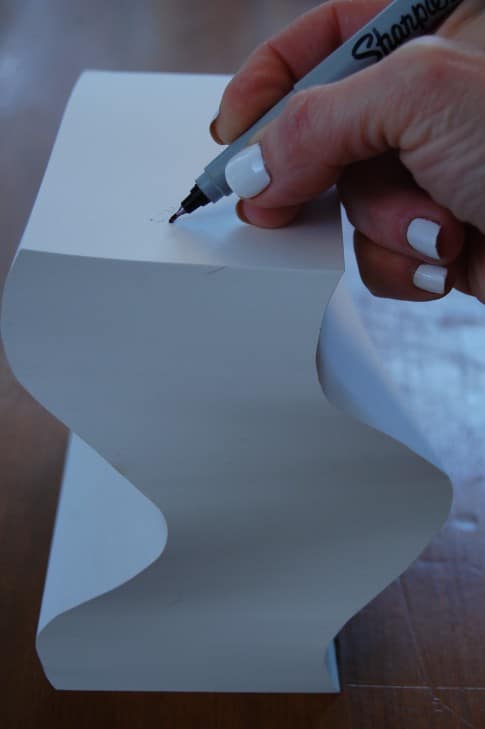
Checked one last time to see if my Sharpie tip was still dried out.

(it's usually the tip that's dried out, not the ink that's gone)

It was.  Dried out I mean.

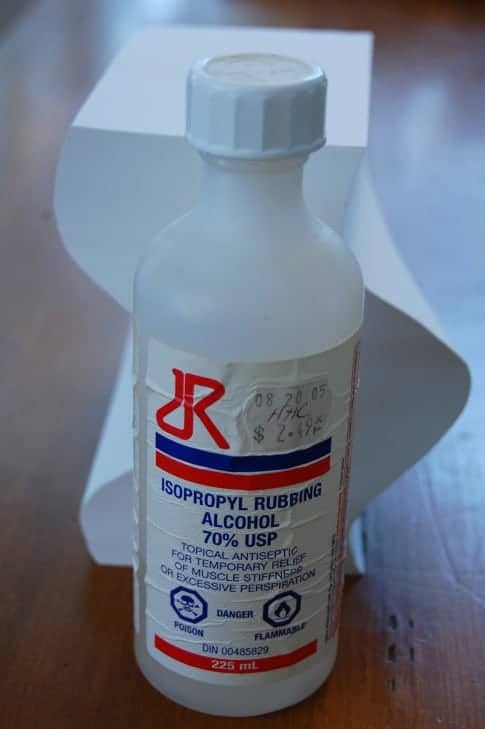
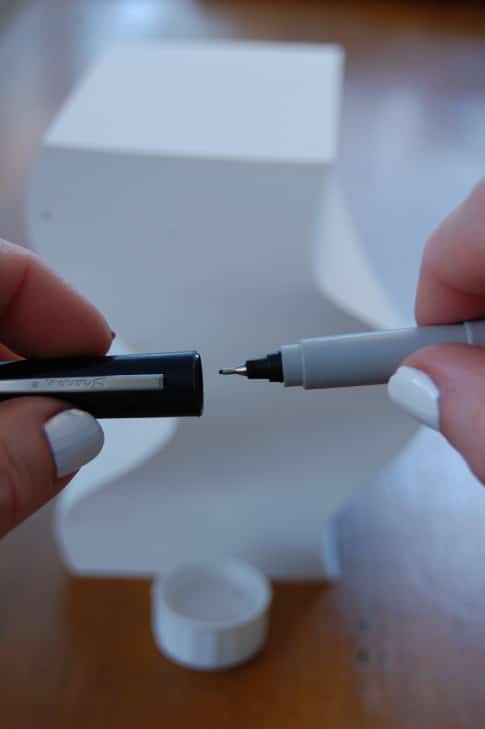
Grabbed a bottle of Rubbing Alcohol.

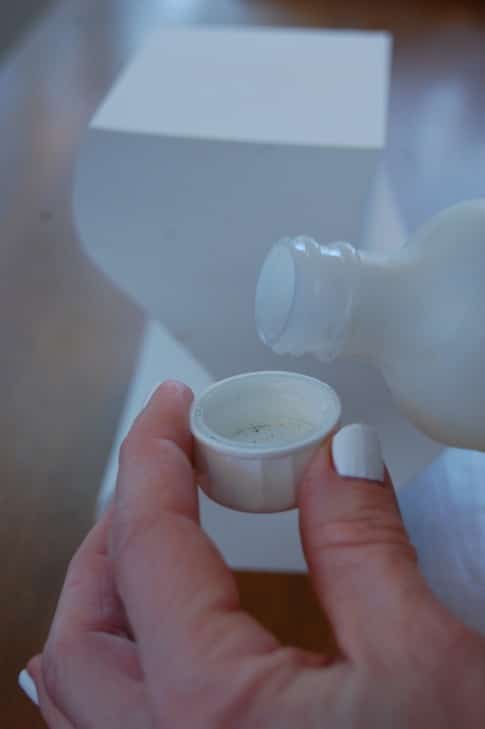
Poured some into the cap.

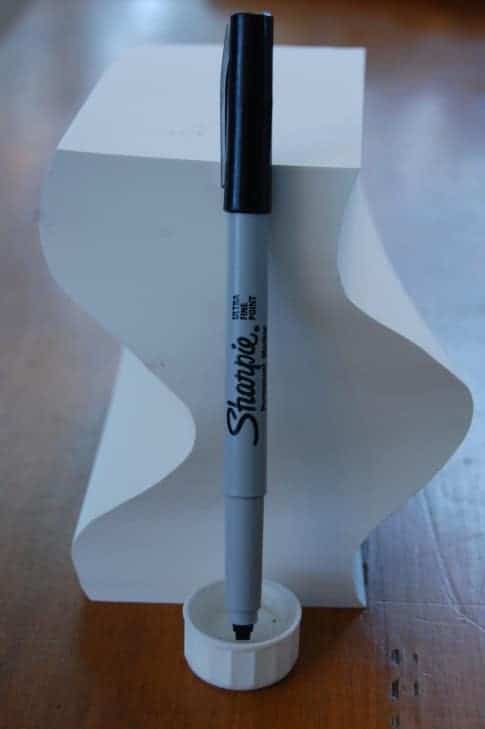
Dipped the tip of the Sharpie into the cap filled with Rubbing Alcohol.

I left it  until I could see a bit of ink swirling out.

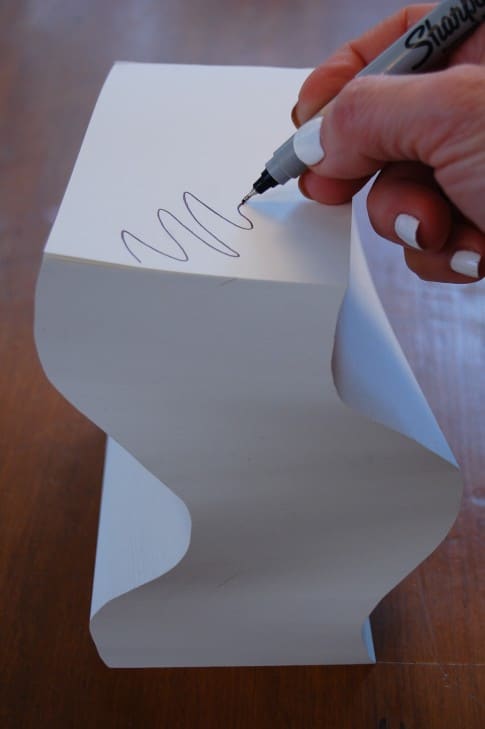
I put the cap back on the Sharpie and left it for 15 minutes.

Pulled my cap off and tried again.

That is what I did, because I do things like that.  All the time.
This trick will not revive allllll markers. Sometimes, some things are just too far gone to be revived with a little bit of alcohol.
(For a non permanent marker do the same thing but use water)

Set Up Timed Playlists and Non-Intrusive Distractions to Stay Focused and Productive at Work

January 26, 2012 10:56:16 PM

Set Up Timed Playlists and Non-Intrusive Distractions to Stay Focused and Productive at Work

lifehacker.com


In order to get your best work done, you need to buckle down, eliminate as many distractions as possible, and focus on each task at a time as much as possible. However, few of us have the luxury to wall ourselves off from the world all day. We have meetings, coworkers, phone calls, lunch breaks, and other things we don't want to forget. Here are some tips to isolate yourself so you can work, but set up some non-intrusive alerts and reminders so you don't forget to come out and join the rest of the world from time to time.

Step One: Set Up Your Cone of Silence

The first thing to do is to set up your personal zone of isolation. Once upon a time, you could just close your office door to focus and get away from the buzz of the workplace, but few of us have offices these days. If you can, invest in a good pair of noise-canceling headphones that can help you block out the chatter of your cube-neighbor or the sounds of your coworkers talking. I've found a good pair of active noise canceling headphones are your best friend when you work in an office with "open-style" cubicles and boisterous colleagues. Check out our guide to choosing the perfect headphones if you need help picking a pair. Rearranging your desk so you can focus on your monitor and not the goings-on around you can help as well.

Sometimes headphones don't cut it, though, and you need real isolation to get your work done. If it's crunch time and you need to focus, consider squatting on an open conference room in your office for a while, or finding a vacant office somewhere in the building that you can sit in for a while. You may not be able to do this for days at a time, but some of my most productive days were days where I blocked off a rarely-used conference room and sat inside for the bulk of the day, away from my desk and the distractions that came with it. If your home is a distraction-free environment (and not everyone's is) consider working from home when you really need to focus and churn out some work as well.

Step Two: Set Up Non-Intrusive, Timed Reminders to Get Up and Out

Once you have a distraction-free (or at least, distraction-minimized) work environment, either at your desk wearing headphones or holed up in a conference room somewhere, now it's time to make sure you don't forget about the real world. Earlier this week we discussed how setting a morning playlist can help you leave home on time . You can do the same thing for your focused work sessions—if you want to stay in the conference room for an hour with no distractions, build a playlist that's exactly an hour long of your favorite tunes, and start it. Don't forget to schedule your working time on your calendar so coworkers don't assume you're free and try to book you for a meeting or come to interrupt you while you're working. When your playlist starts to wind down, you know it's time to pack up and go grab a bite to eat, or at the very least take a break.

Another helpful tactic that offers a natural, organic cue that it may be time to end your isolation and rejoin the real world is to keep a water bottle handy with just the right amount of water in it that you'll need before you need to refill it. This is an adaptation on a hack we showed you on this episode of the Lifehacker Show , where you mark the water bottle with how much water you'll drink every few hours as a reminder to hydrate yourself. In this case, by making note that you need to refill the bottle when you drink down to a certain point, you have a reminder to get up and take a break. If you keep drinking water, nature may call too, which is as good a reminder as any. For shorter bursts of work, try filling up the teapot for a cup of tea—way more water than you may need—and turning the heat on low. By the time the whole pot is boiling, it's a good bet you'll need the break you get by getting up and making your tea.

These are just a few examples, but the goal is to come up with simple but effective cues that assert themselves and need to be resolved at times that are just right for you to either wrap up a timed work session and grab lunch, or take a break before starting the next session.

Step Three: Set Up a Few More-Assertive, Fall-Back Alerts, In Case They're Needed

If these techniques sound familiar, they should. They're something of a natural application of the Pomodoro productivity technique , a method we've mentioned before, especially in our guide to building your own productivity technique by remixing the best . If natural cues aren't enough to make you get up and take a break, you may need something a little more aggressive, like actual timers and alerts. Don't fear timers and alarms—as much as they can create some pressure to finish working, they also serve as "containment units" for your work, and can help keep you sane and productive .

If you want a better reminder that it's time for a break than your water is running low or your playlist is running out, a good old fashioned desktop alert can make all the difference. For example, an upcoming calendar appointment or a planned meeting that coincides with the end of your scheduled work session can serve as a great reminder. We've discussed several alarm tools here at Lifehacker, but previously mentionedWatchMe is a great tool for keeping track of multiple timers at once. For something more geared towards breaks, Breaker is another app we've mentioned that can help. Mac users can try Coffee Break for a reminder to get up at certain times.

Photo by mlpeixoto .

Ultimately, single-tasking and making sure you're isolated from the distractions that make you less productive doesn't mean you have to stick your head in the sand and forget the rest of the world exists. If you plan for it, you can come up for air on a regular basis, make your next meeting, remember to take lunch, and still network with your coworkers without anyone knowing the secret to your incredible productivity.